The Zen of Digital Architecture: Exploring the Mastery Behind Tiny Glade
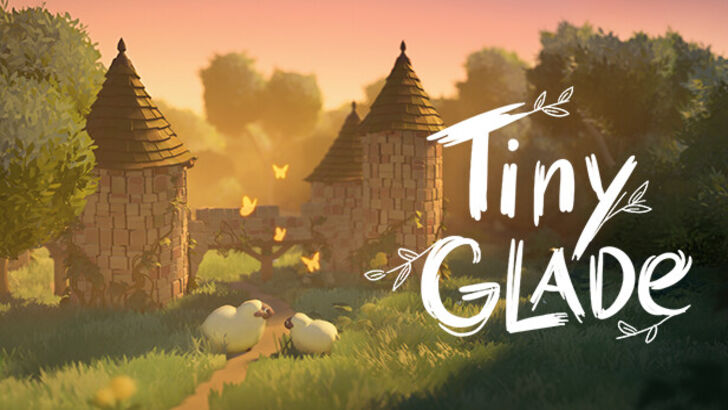
The Zen of Digital Architecture: A Case Study on Tiny Glade
In the world of indie gaming, a new trend is emerging: the "Cozy Builder." Leading this movement is Tiny Glade, a game that trades complex mechanics for pure, unadulterated creativity. Developed by the Swedish studio Pounce Light, it has quickly become a gold standard for how procedural technology can be used to foster artistic expression without the pressure of traditional gameplay.
1. Project Profile
Released on September 23, 2024, Tiny Glade arrived as a breath of fresh air. It moved away from the survival and management tropes of the sandbox genre, focusing instead on "Diorama Building"—the art of creating small, self-contained scenes that feel alive.
| Attribute | Details |
|---|---|
| Developer | Pounce Light |
| Release Date | September 23, 2024 |
| Platform | PC (Steam) |
| Core Technology | Custom Engine built with Rust |
| Key Languages | Rust, C++ |
| Genre | Cozy Sandbox / Diorama Builder |
2. Technical Mastery: The Art of Procedural Generation
The true magic of Tiny Glade lies in its "Gridless" logic. While most building games restrict players to a fixed coordinate system (like blocks in a grid), Tiny Glade uses Continuous Procedural Mesh Deformation.
Living Architecture
The game engine doesn't just place objects; it understands the context of the player's actions.
- Contextual Archways: When a player draws a path through a wall, the engine dynamically calculates the intersection and generates an archway or a gate in real-time.
- Adaptive Detailing: Windows and doors aren't just static assets. If a wall is shortened or curved, the game automatically repositions these elements to ensure they remain aesthetically pleasing and structurally logical.
- Performance via Rust: By utilizing the Rust programming language, the developers achieved a level of fluidity and stability that allows for complex geometry changes without sacrificing performance.
3. Comparison: The Evolution of Zen Building
To appreciate Tiny Glade, one must look at the path paved by titles like Townscaper.
The Townscaper Foundation
Released in 2021 by Oskar Stålberg, Townscaper utilized Wave Function Collapse (WFC) logic. It was a breakthrough in showing that players crave "zero-consequence" creativity. However, it was still fundamentally bound to an underlying mesh.
The Tiny Glade Advancement
Tiny Glade evolved this concept by removing the "tiling" feel. It introduced high-fidelity lighting, a dynamic day/night cycle, and "Micro-Interactions"—such as petting sheep or watching ducks arrive in ponds—that turn a static 3D model into a living world.
4. The Power of Community and Visual Feedback
The game's success was fueled by its "Satisfying" visual nature. Short clips of walls snapping together and ivy growing instantly went viral on platforms like TikTok and X (Twitter), tapping into the "Oddly Satisfying" content trend.
- Creative Ecosystem: The Official Discord and the r/TinyGlade community have become galleries where users share intricate castle designs, ruins, and cozy villages.
- Accessibility: By focusing on a minimalist User Interface (UI), the game remains accessible to both professional artists and casual players.
5. Why the "Cozy" Philosophy Works
The rise of Tiny Glade highlights a shift in player psychology. In an era of high-stress competitive gaming, there is a massive demand for:
- No-Fail States: The absence of timers, currency, or enemies.
- Tactile UX: Sound design and visual feedback that makes every click feel rewarding.
- Emergent Storytelling: Allowing the player to imagine the history of their creation without being told a story by the game.
6. Conclusion
Tiny Glade is more than just a creative tool; it is a masterclass in focused design. By picking a single concept—the joy of building—and refining the technology to make that act feel like magic, Pounce Light has created a timeless piece of digital art.
Official Resources & Links:
- Developer Site: Pounce Light Games
- Store Page: Tiny Glade on Steam
- Technical Inspiration: Rust Programming for Games
- Genre Trends: Cozy Gaming Research via GameDiscoverCo